
After Party
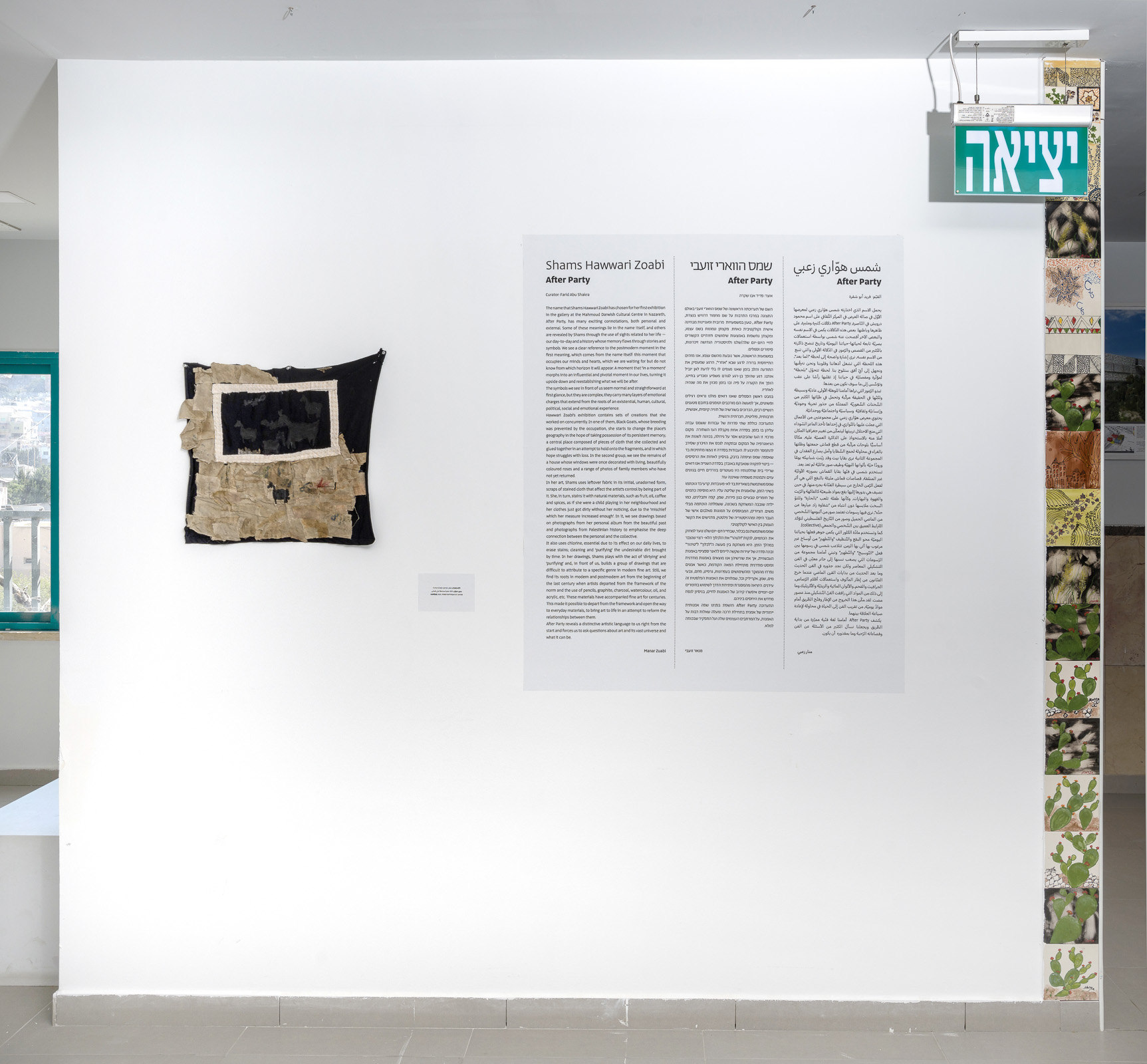
The name that Shams Hawwari Zoabi has chosen for her first exhibition in the gallery at the Mahmoud Darwish Cultural Centre in Nazareth, After Party, has many exciting connotations, both personal and external. Some of these meanings lie in the name itself, and others are revealed by Shams through the use of sights related to her life – our day-to-day and a history whose memory flows through stories and symbols. We see a clear reference to the postmodern moment in the first meaning, which comes from the name itself: this moment that occupies our minds and hearts, which we are waiting for but do not know from which horizon it will appear. A moment that ‘in a moment’ morphs into an influential and pivotal moment in our lives, turning it upside down and reestablishing what we will be after.
The symbols we see in front of us seem normal and straightforward at first glance, but they are complex; they carry many layers of emotional charges that extend from the roots of an existential, human, cultural, political, social and emotional experience.
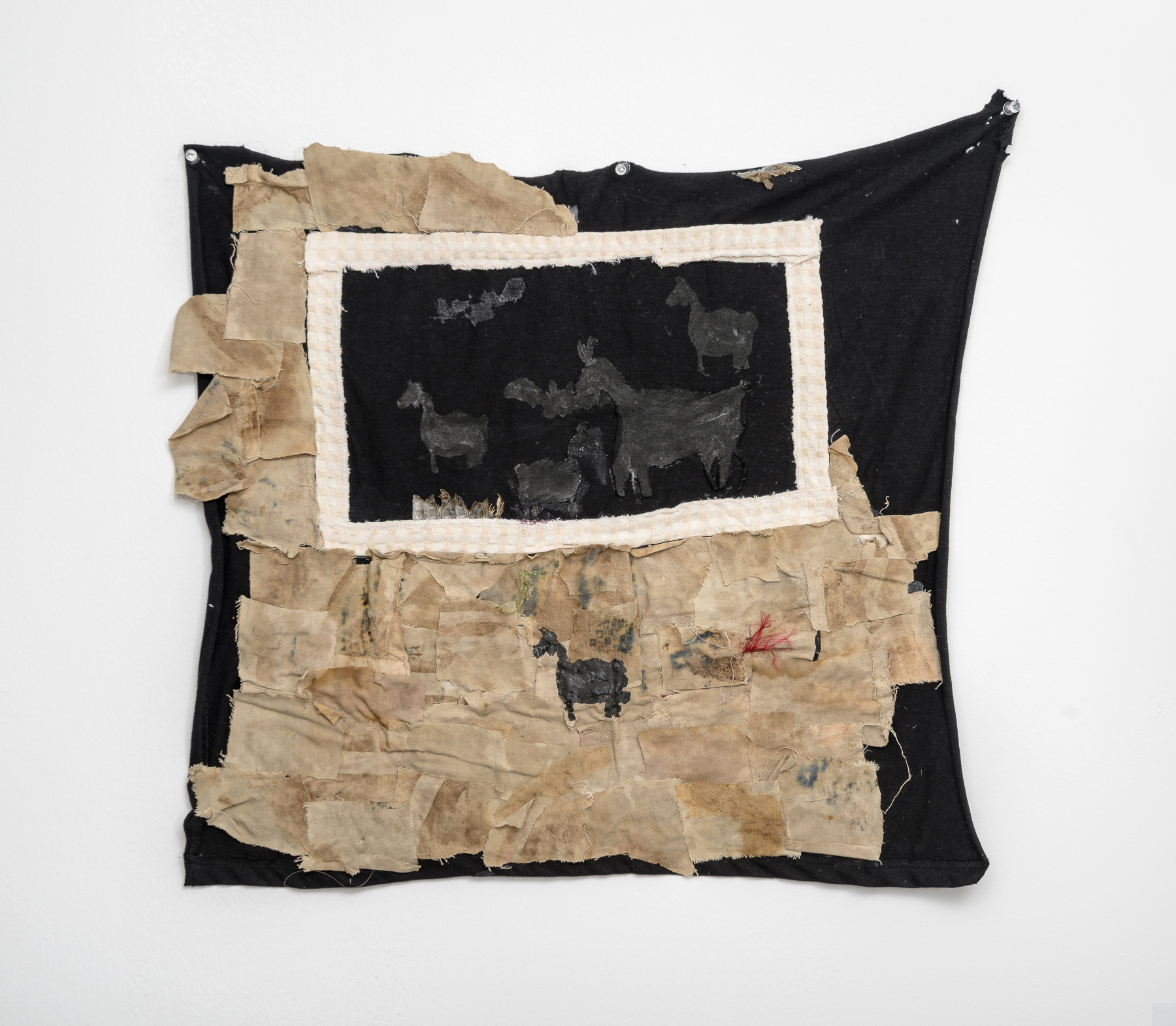
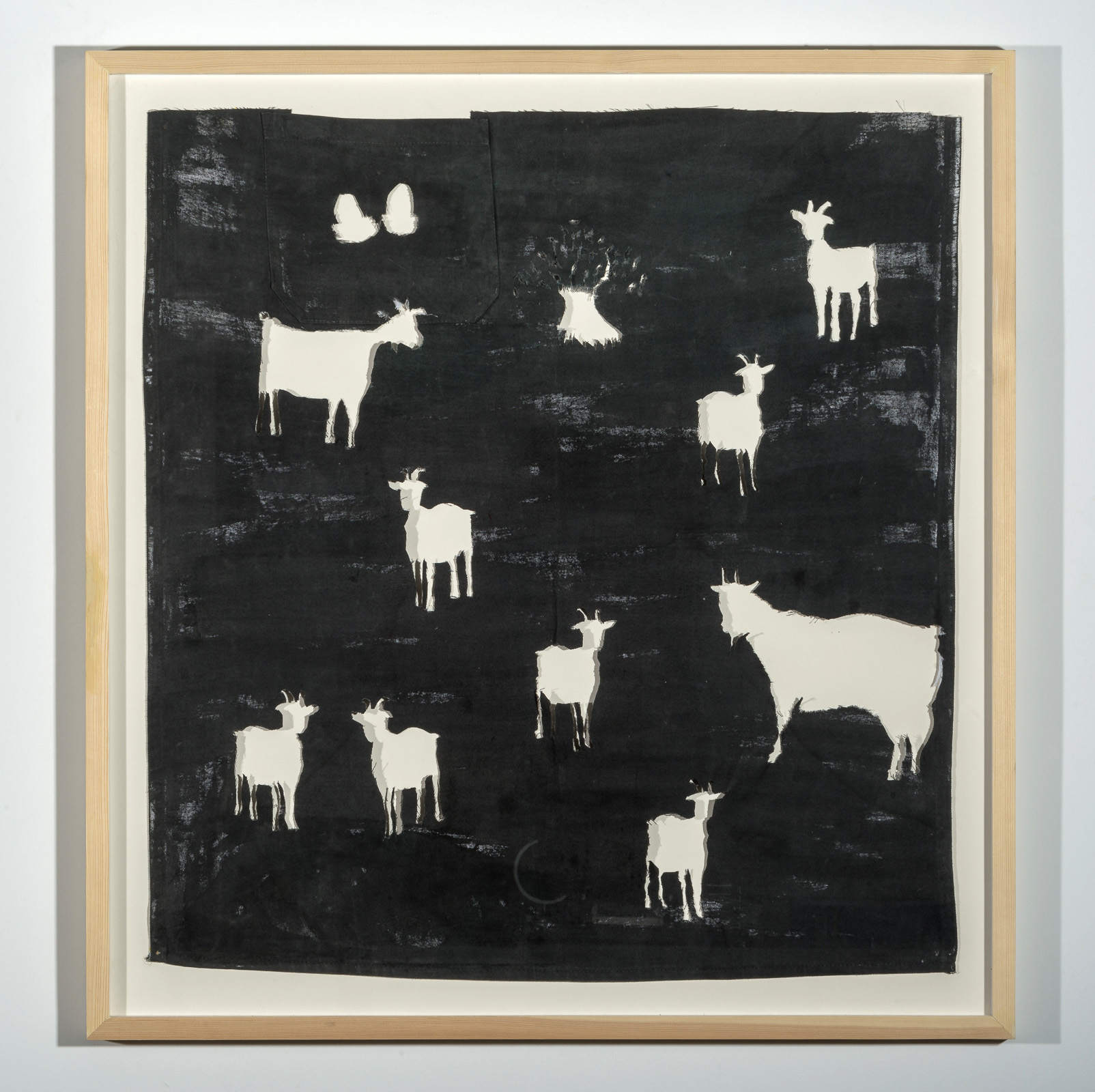
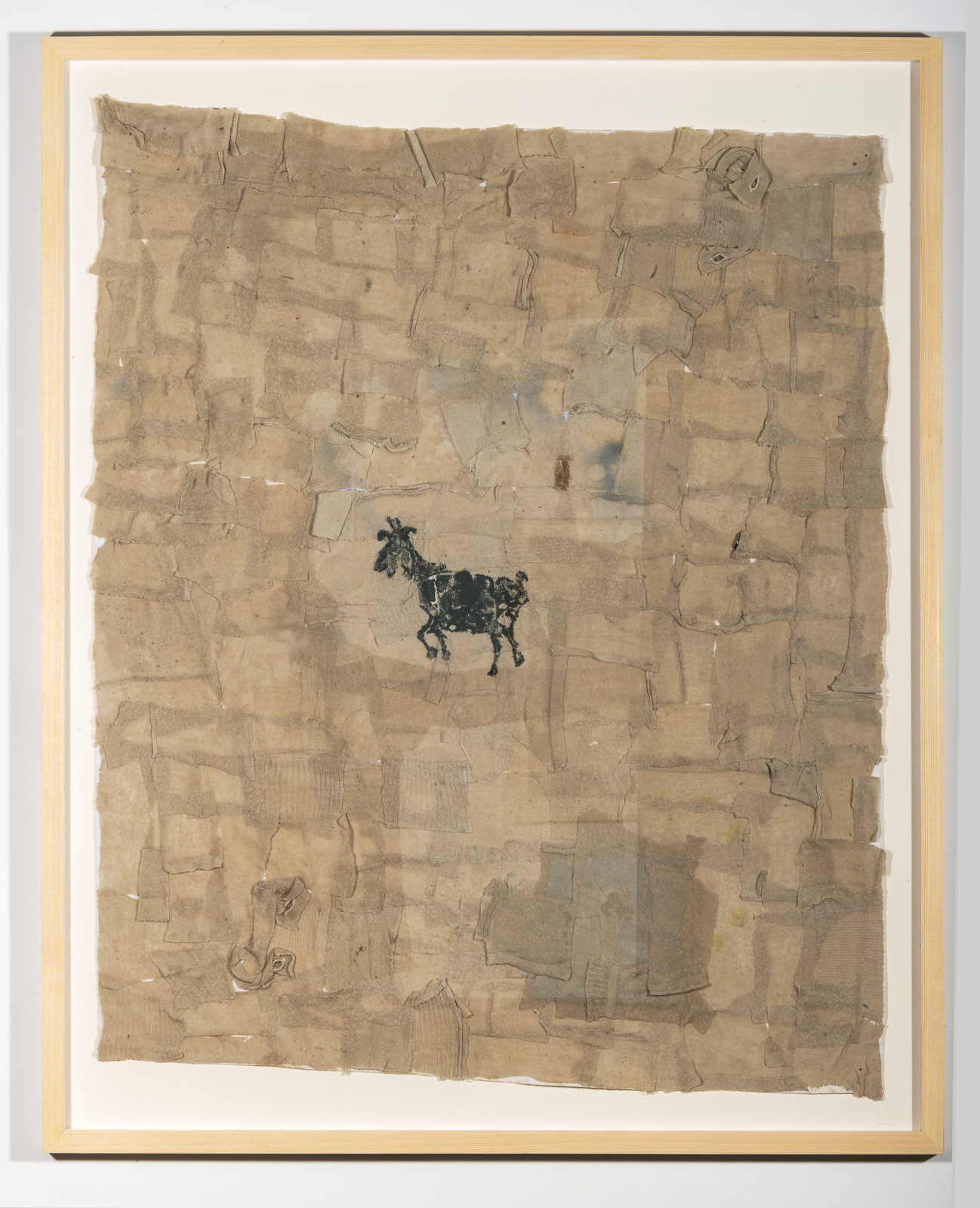
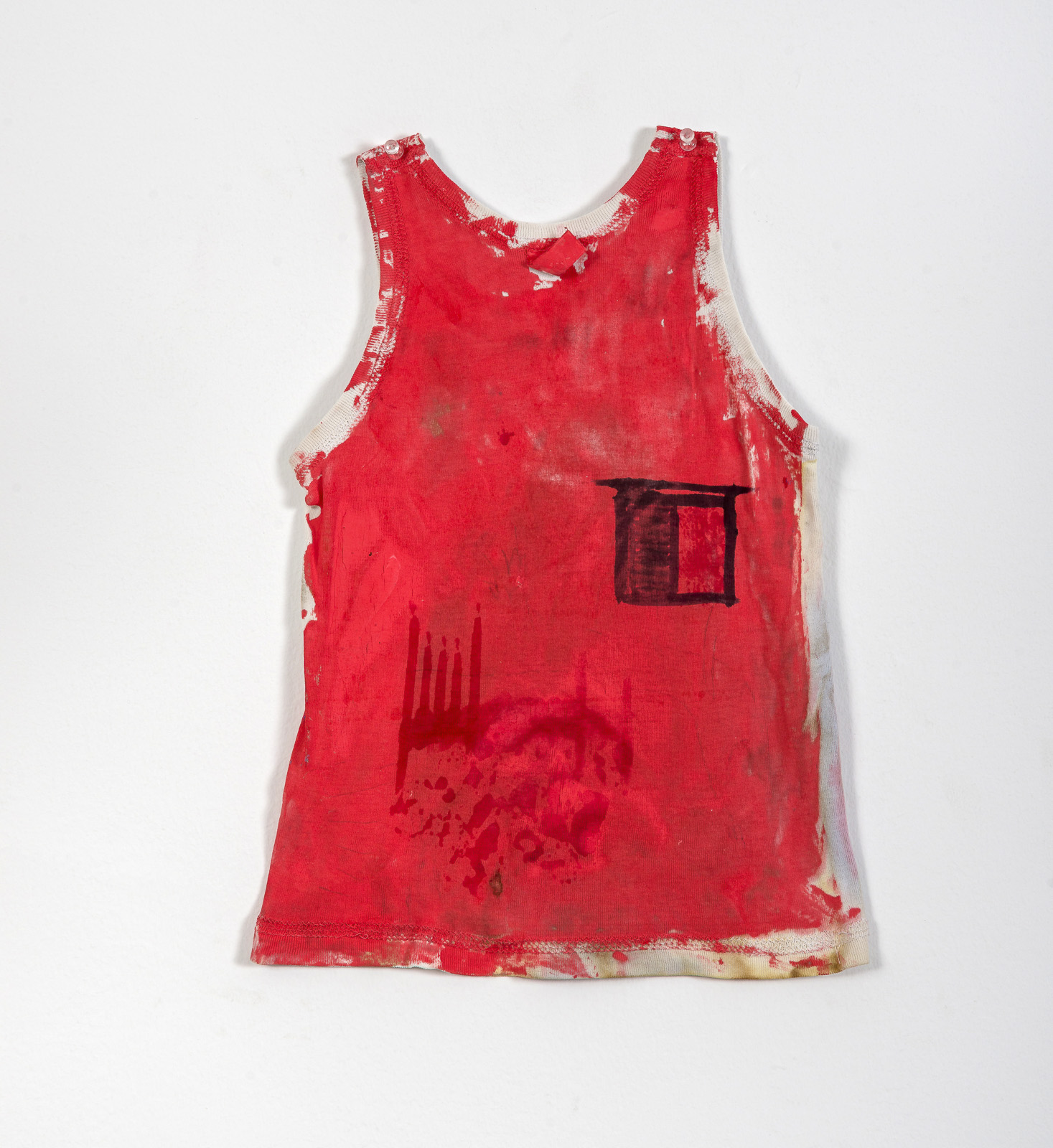
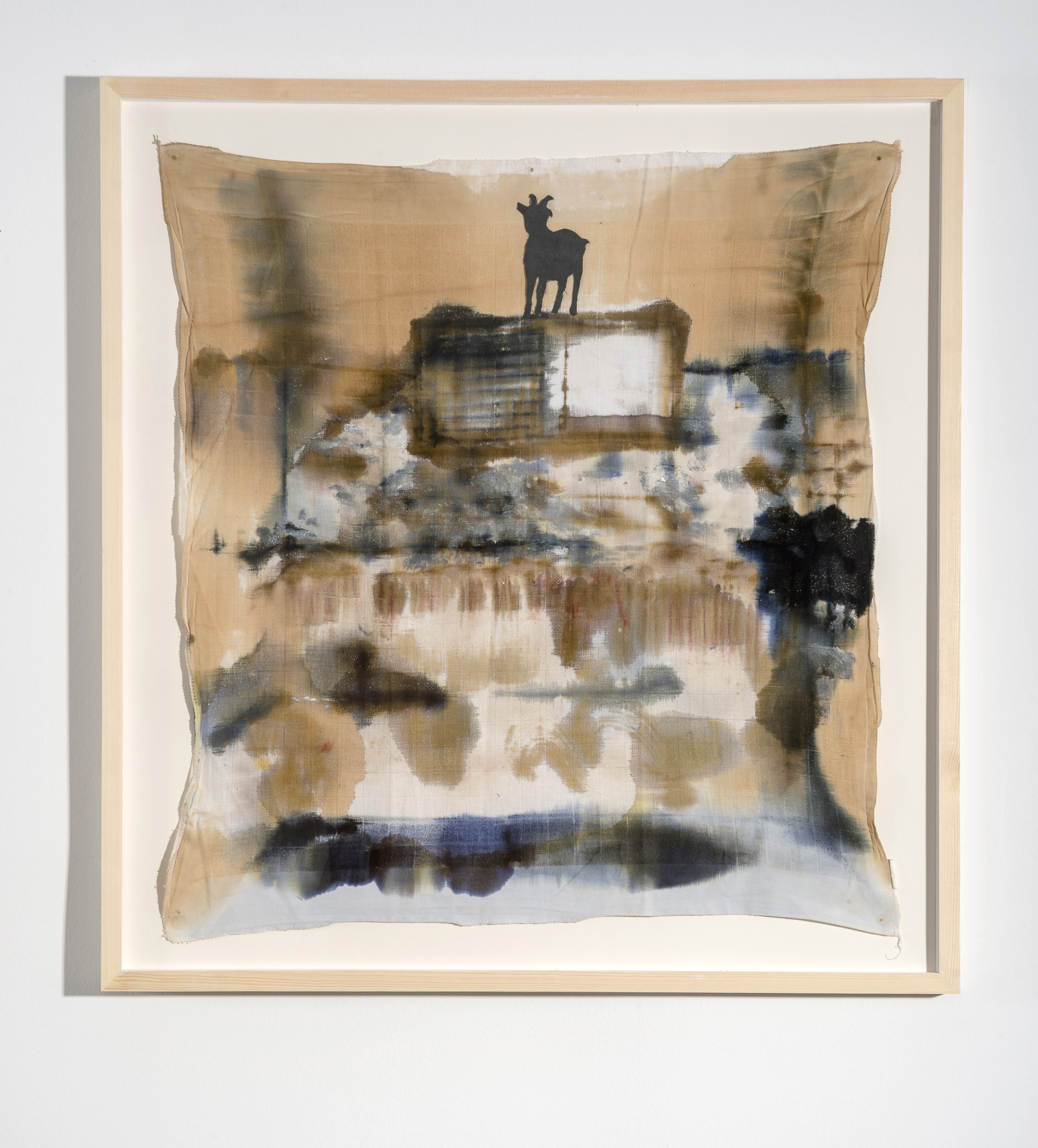
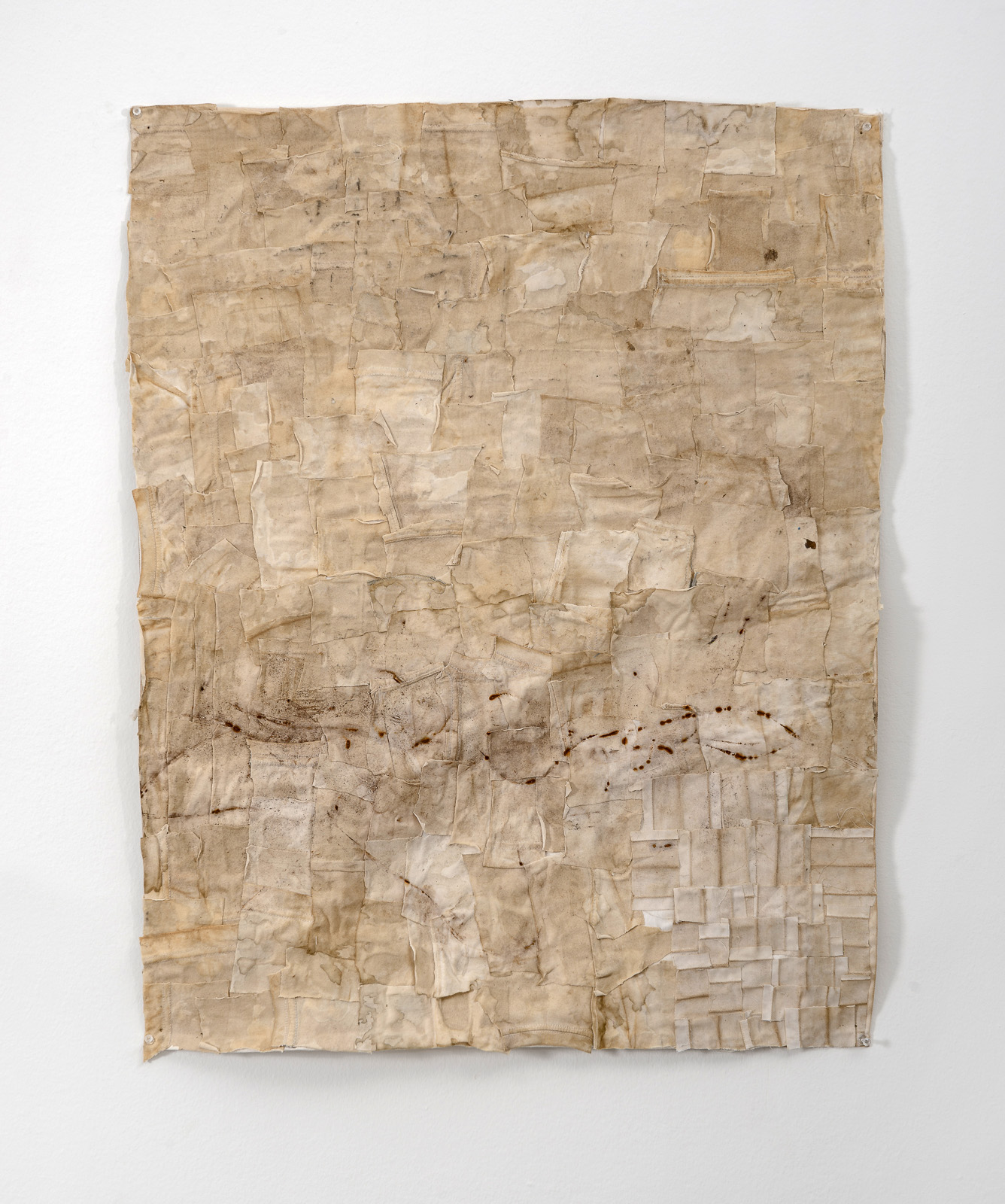
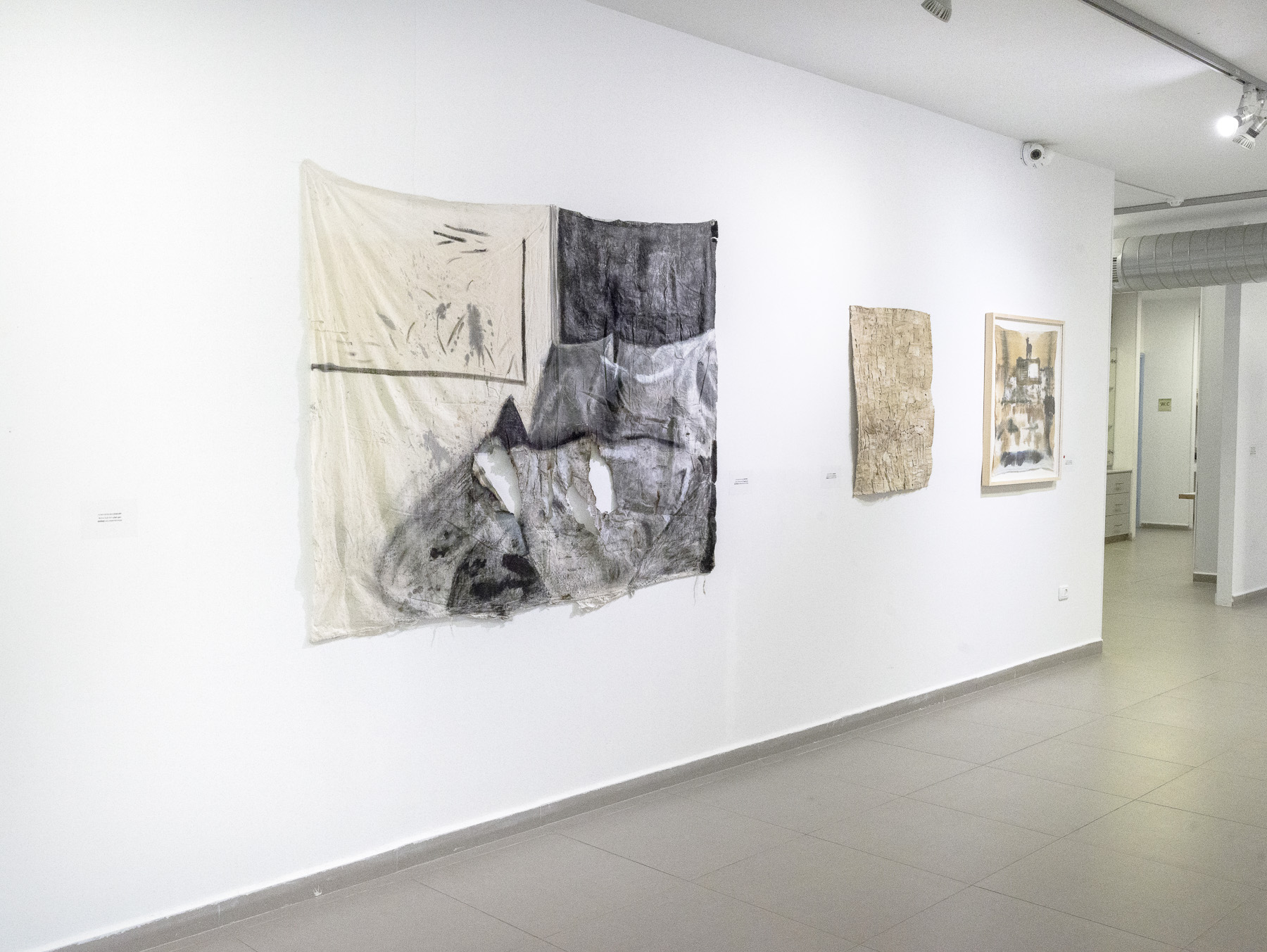
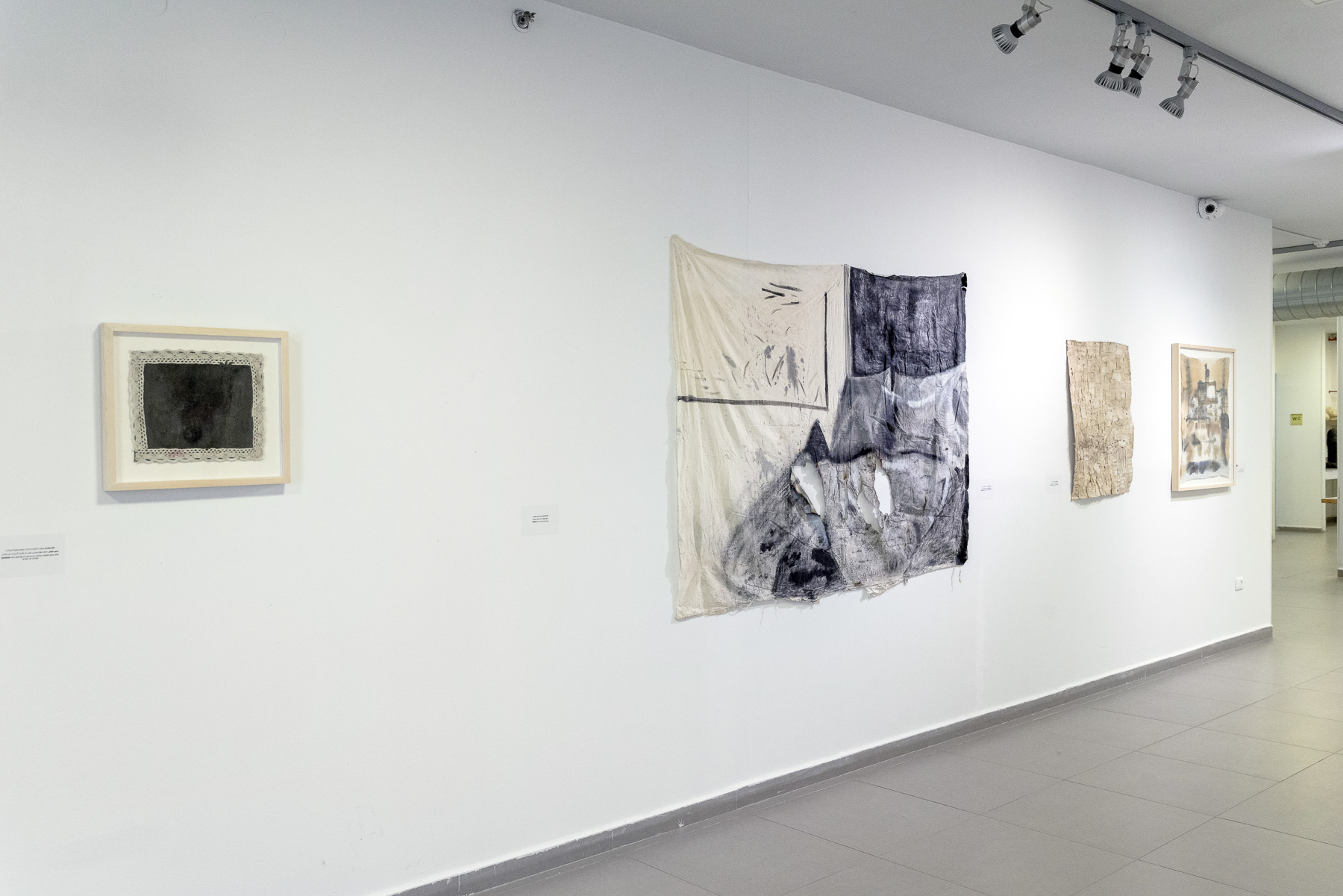
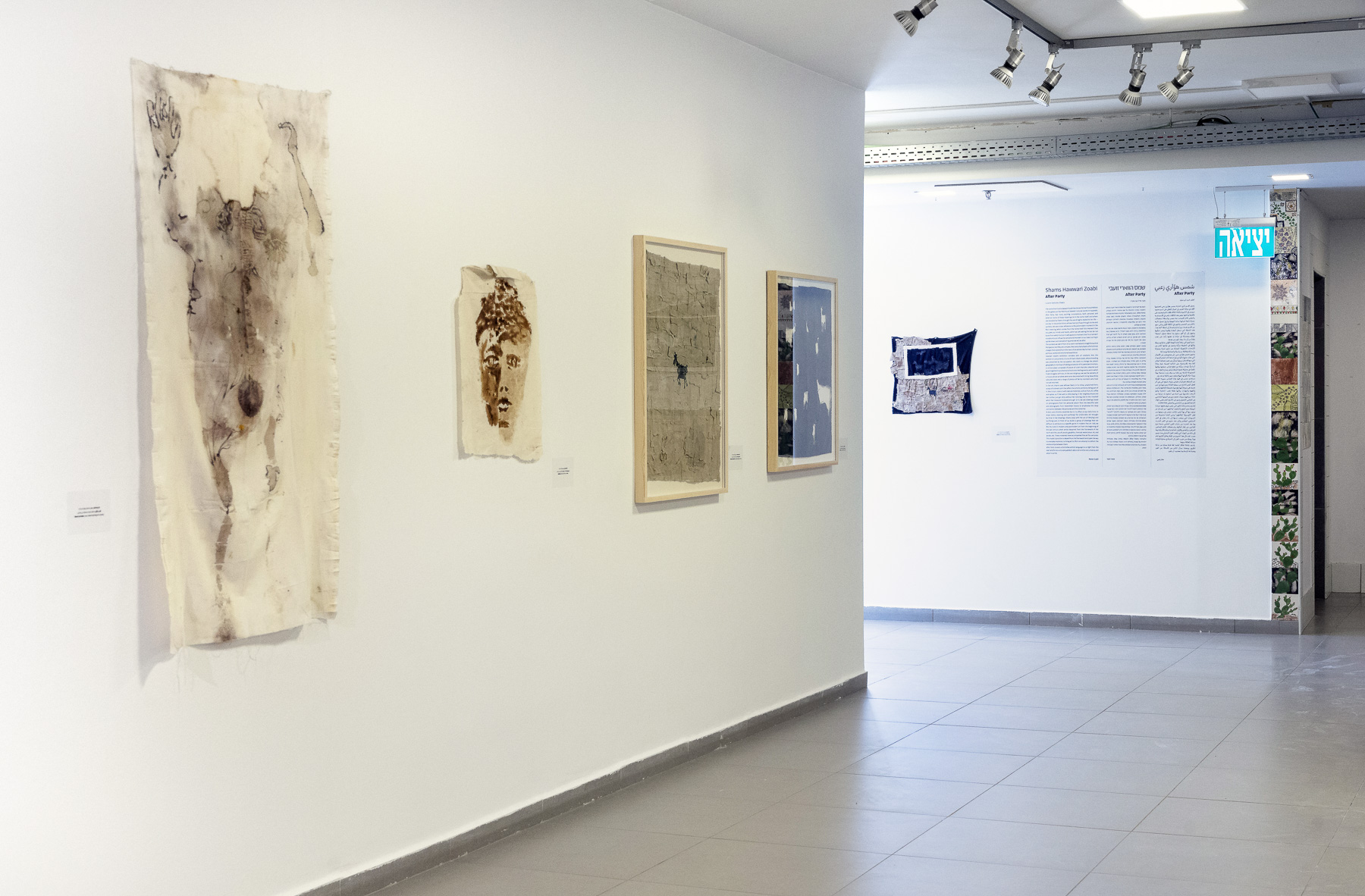
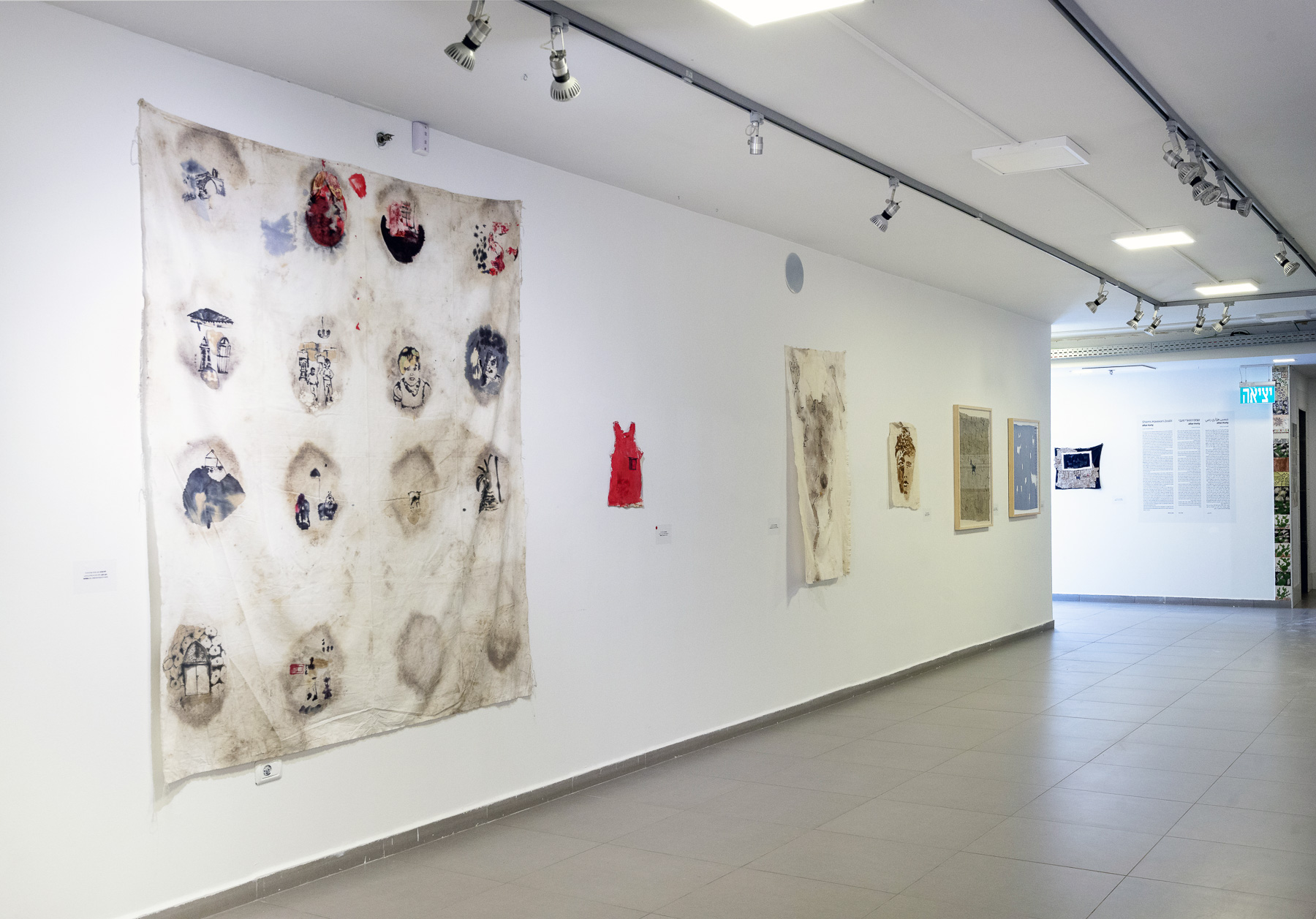
Hawwari Zoabi’s exhibition contains sets of creations that she worked on concurrently. In one of them, Black Goats, whose breeding was prevented by the occupation, she starts to change the place’s geography in the hope of taking possession of its persistent memory; a central place composed of pieces of cloth that she collected and glued together in an attempt to hold onto the fragments, and in which hope struggles with loss. In the second group, we see the remains of a house whose windows were once decorated with living, beautifully coloured roses and a range of photos of family members who have not yet returned.
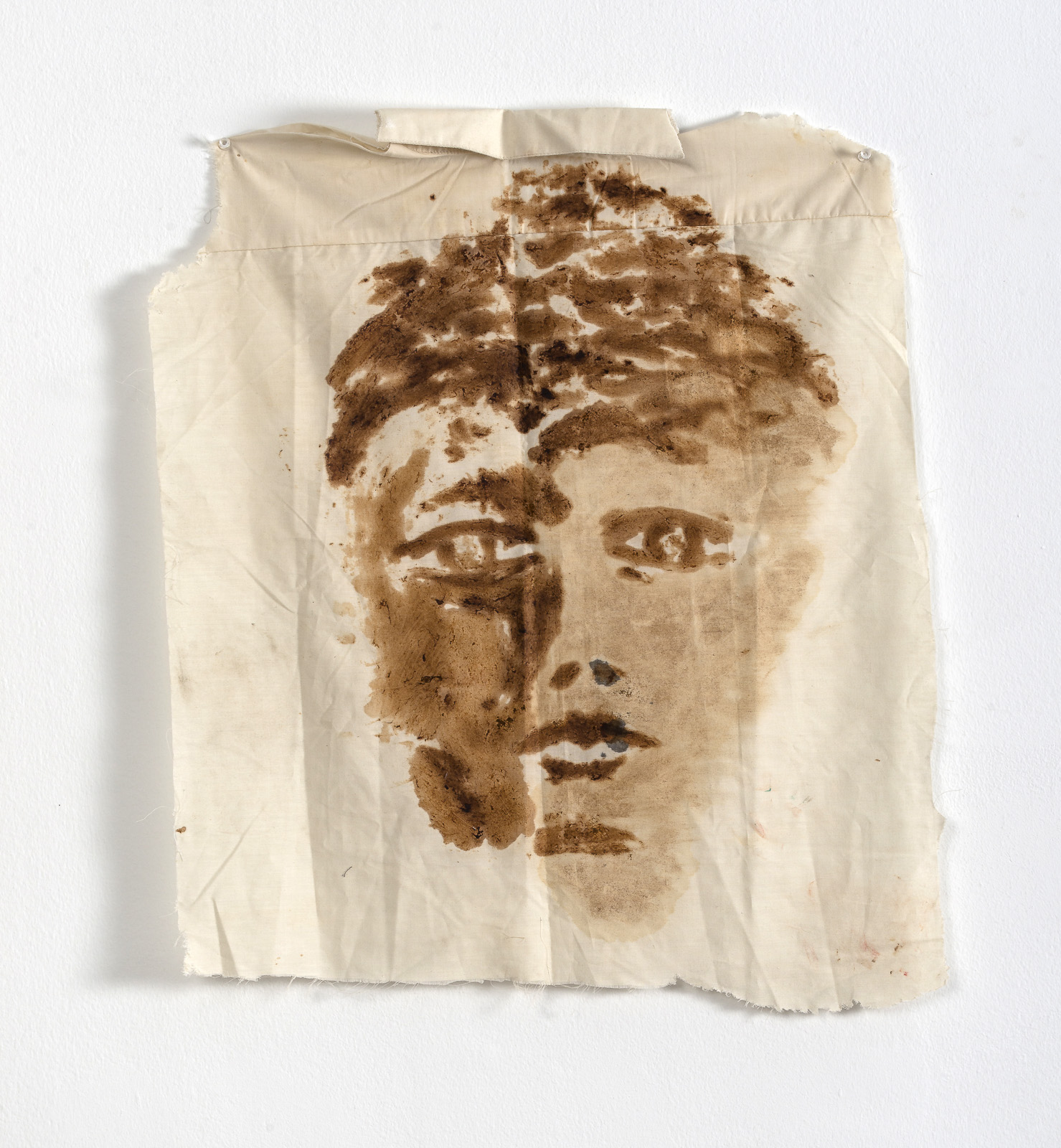
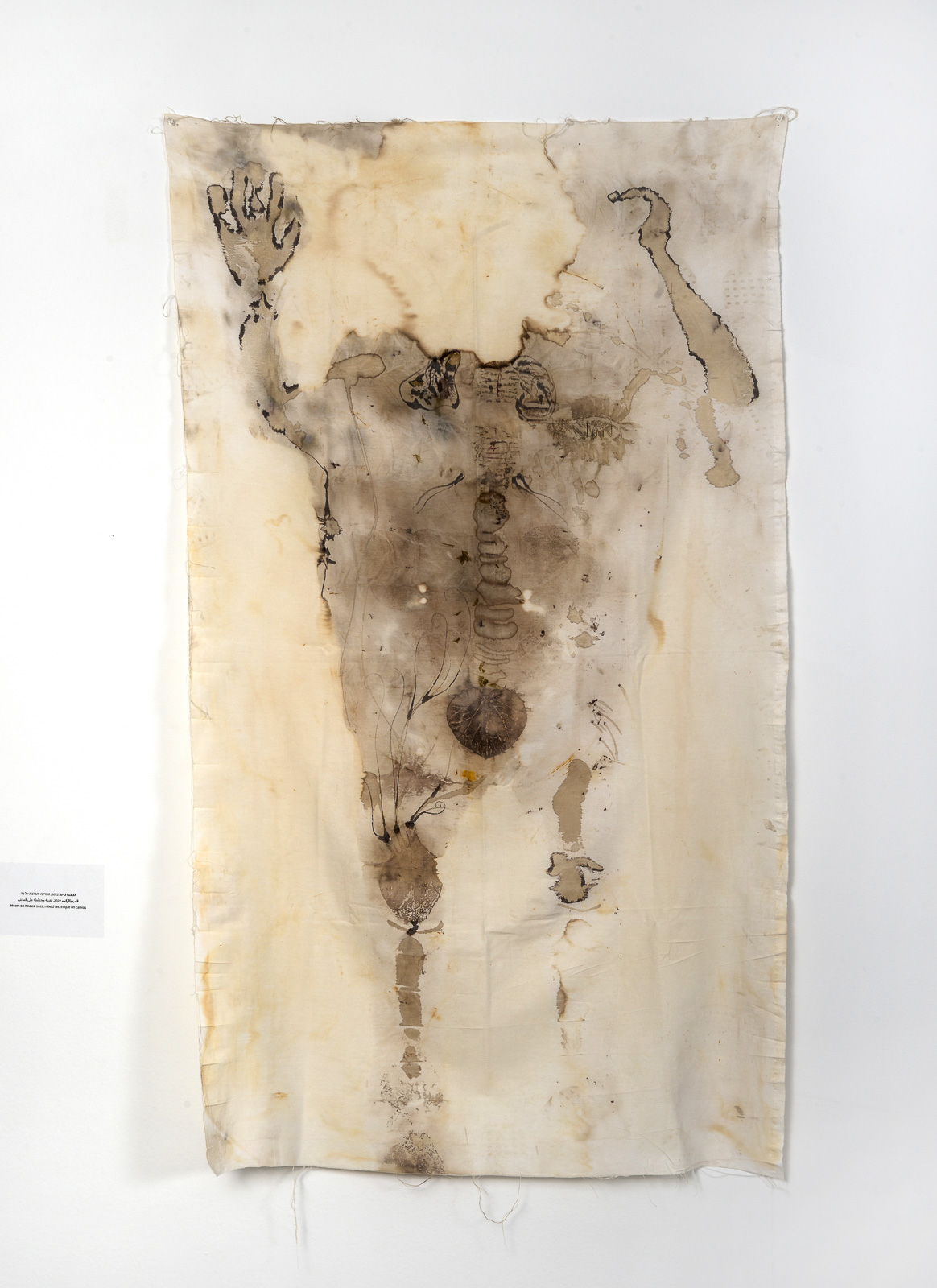
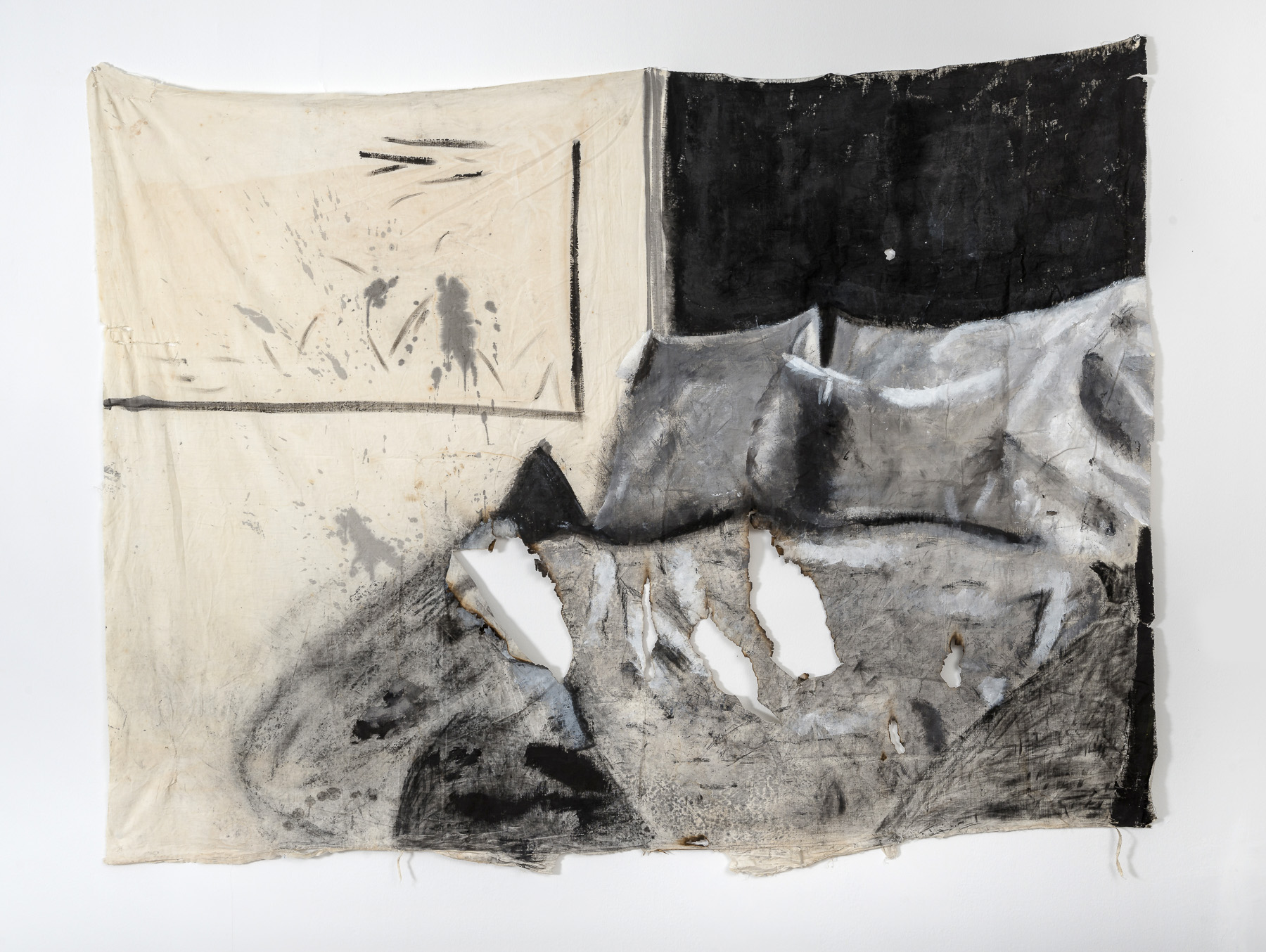
In her art, Shams uses leftover fabric in its initial, unadorned form, scraps of stained cloth that affect the artist’s control by being part of it. She, in turn, stains it with natural materials, such as fruit, oil, coffee and spices, as if she were a child playing in her neighbourhood and her clothes just got dirty without her noticing, due to the ‘mischief which her measure increased enough’. In it, we see drawings based on photographs from her personal album from the beautiful past and photographs from Palestinian history to emphasise the deep connection between the personal and the collective.
It also uses chlorine, essential due to its effect on our daily lives, to erase stains; cleaning and ‘purifying’ the undesirable dirt brought by time. In her drawings, Shams plays with the act of ‘dirtying’ and ‘purifying’ and, in front of us, builds a group of drawings that are difficult to attribute to a specific genre in modern fine art. Still, we find its roots in modern and postmodern art from the beginning of the last century when artists departed from the framework of the norm and the use of pencils, graphite, charcoal, watercolour, oil, and acrylic, etc. These materials have accompanied fine art for centuries. This made it possible to depart from the framework and open the way to everyday materials, to bring art to life in an attempt to reform the relationships between them.
After Party reveals a distinctive artistic language to us right from the start and forces us to ask questions about art and its vast universe and what it can be.
Curator: Farid Abu Shakra