
A Nonverbal Memorial Book
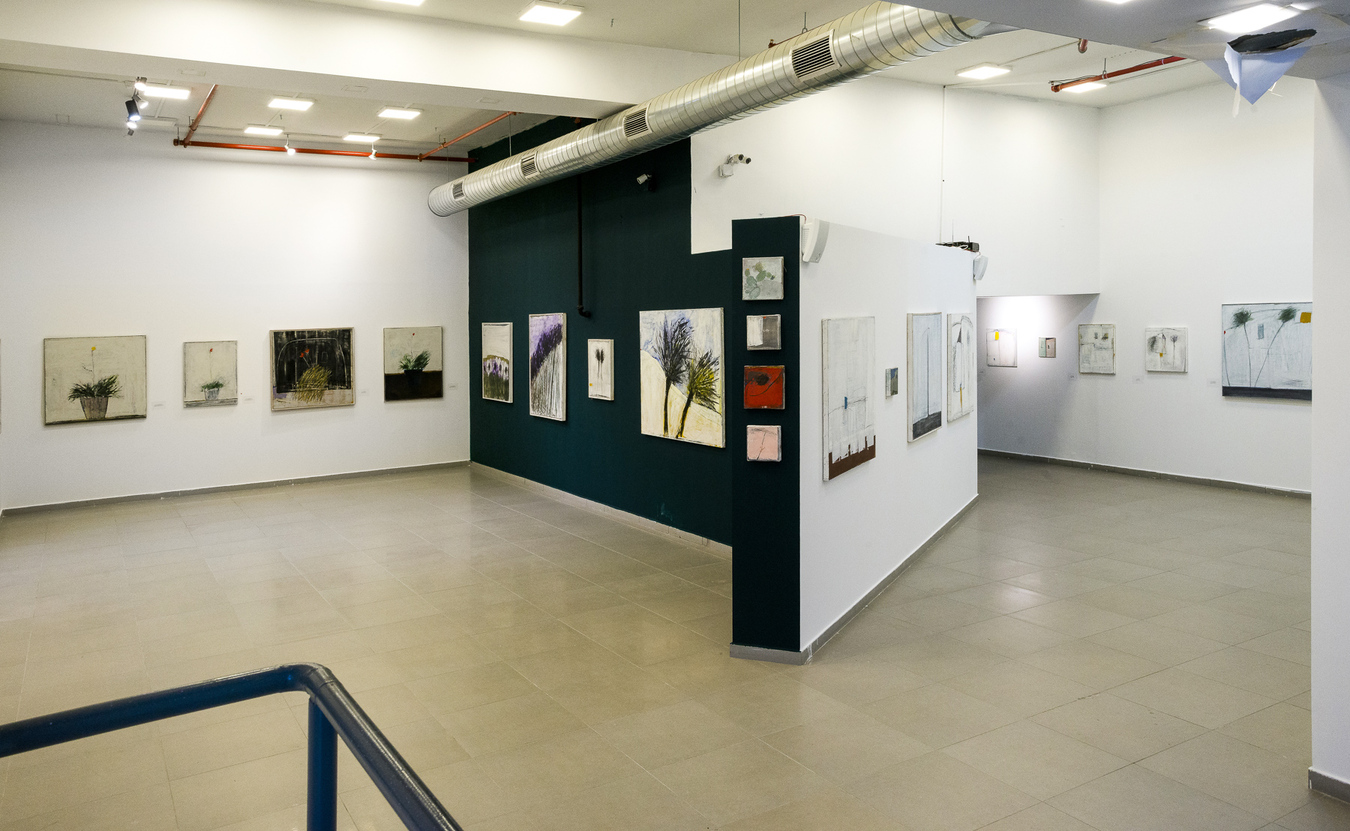
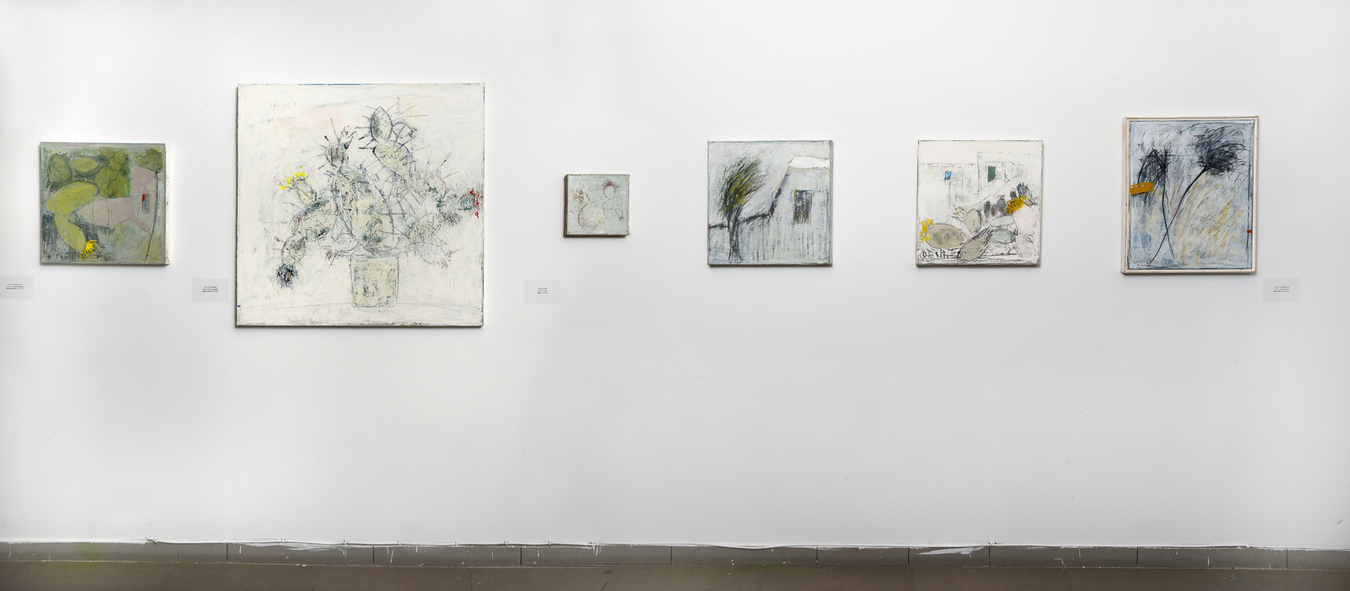
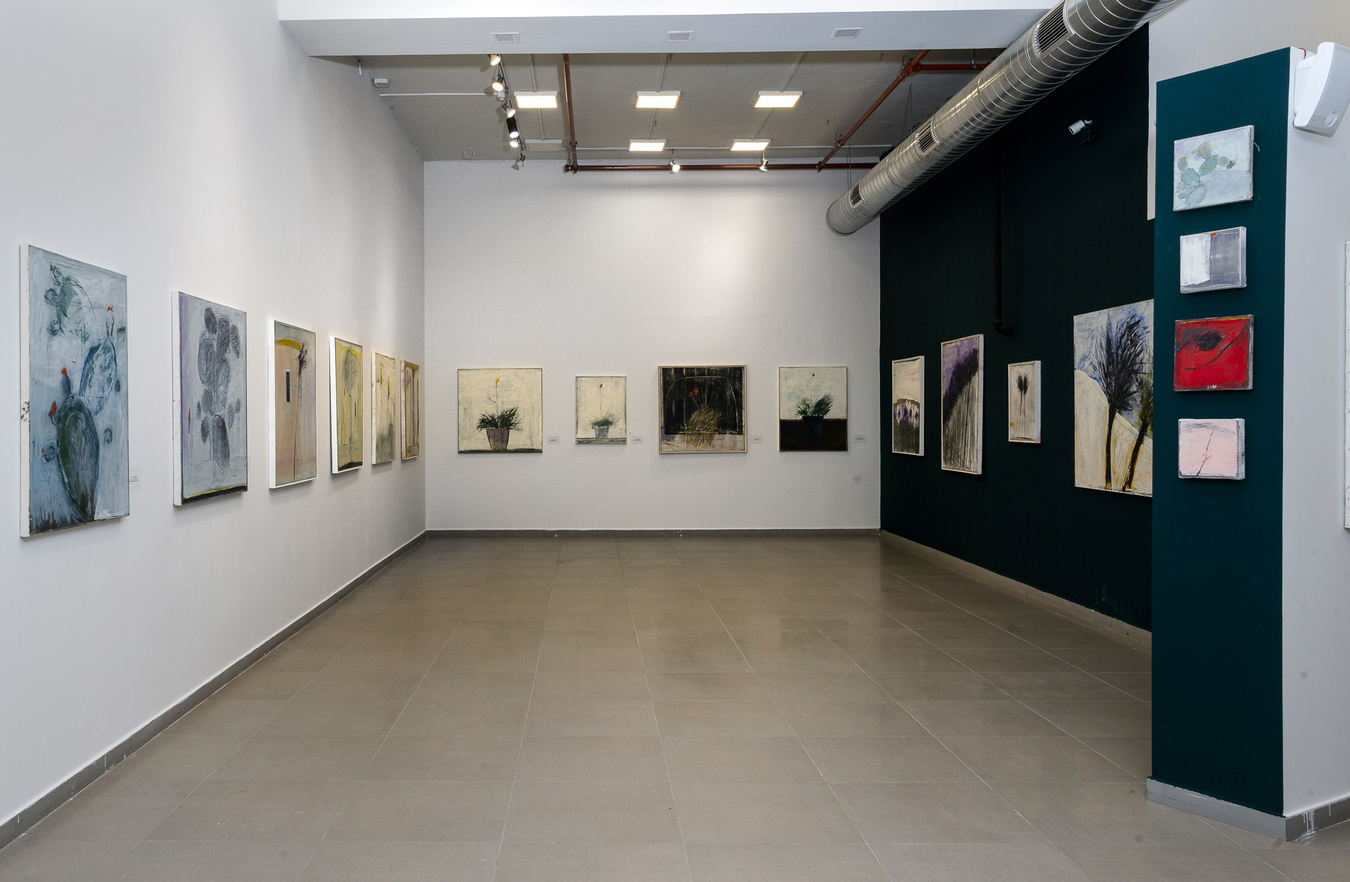
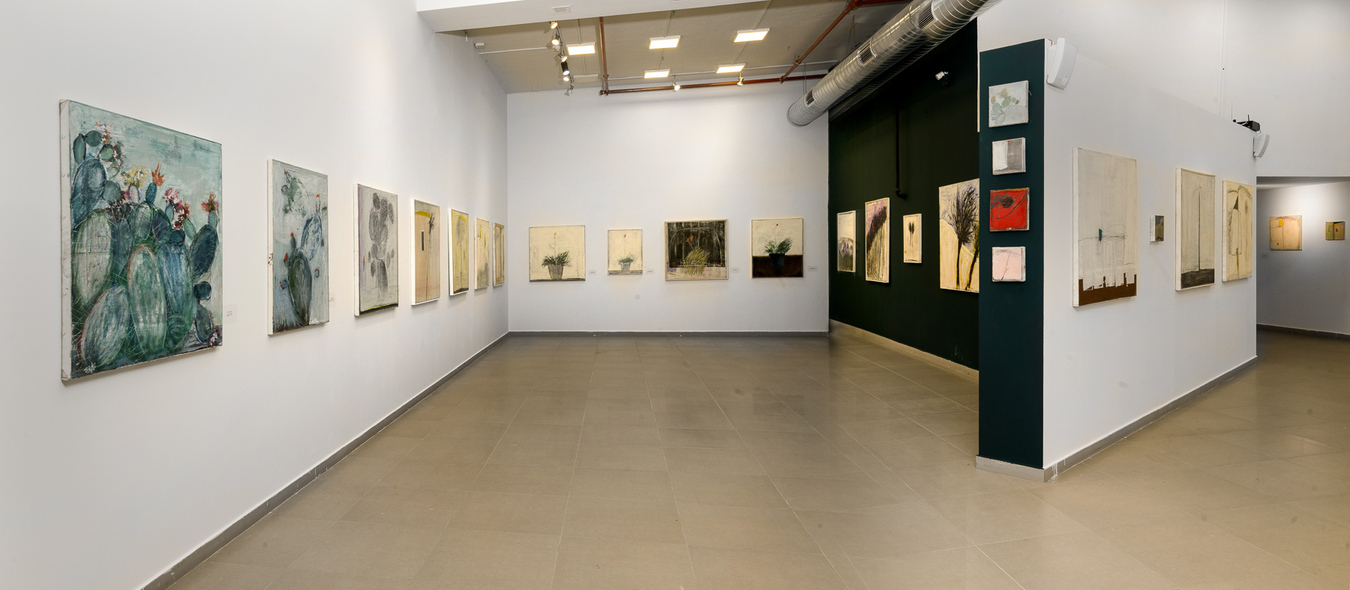
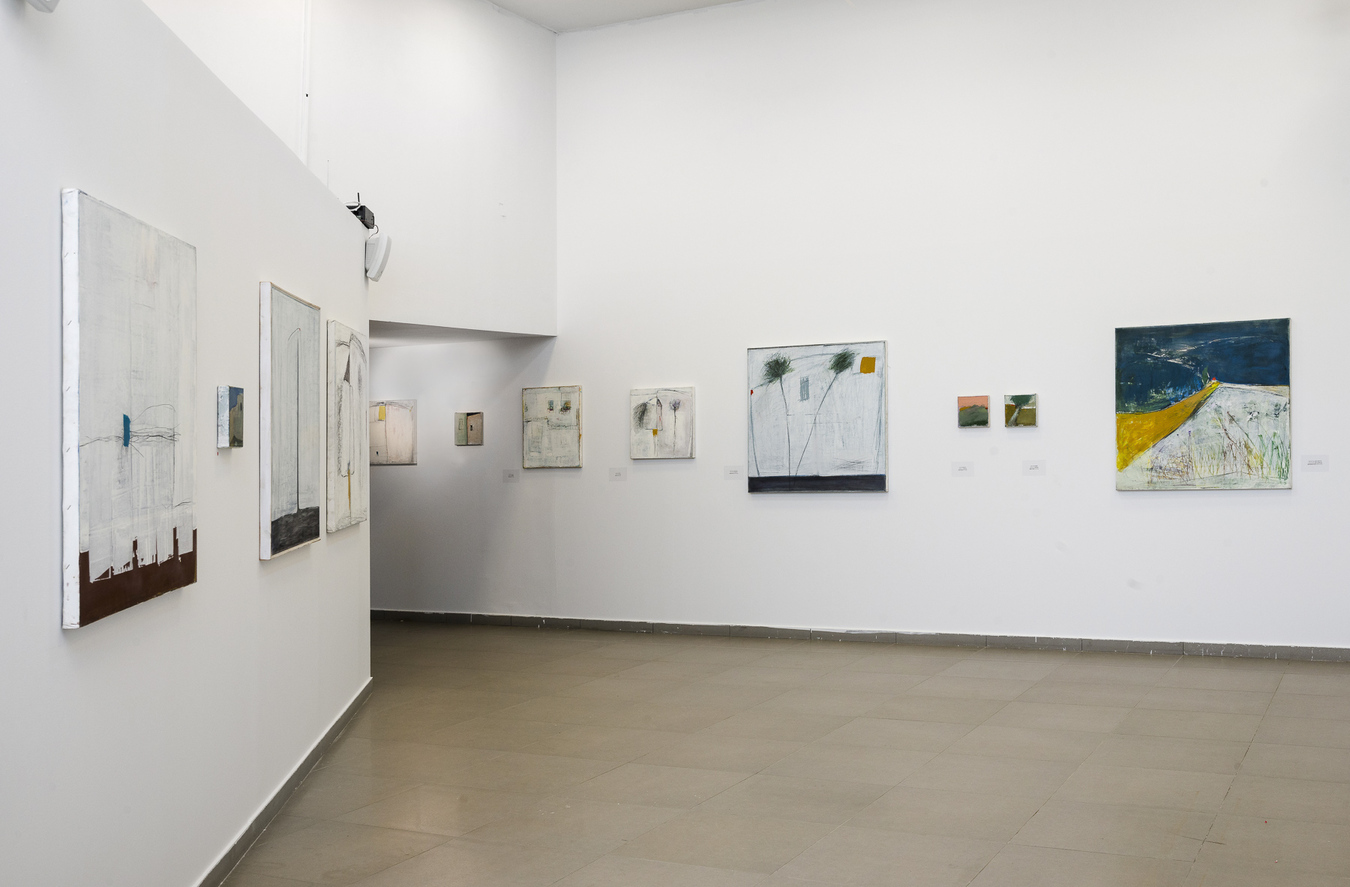
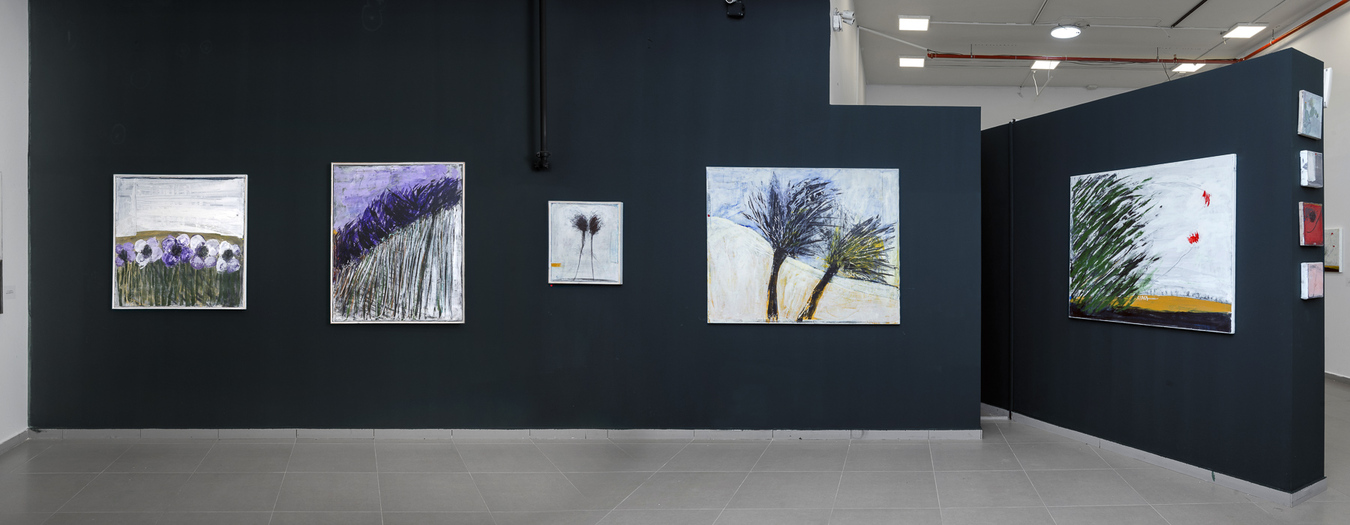
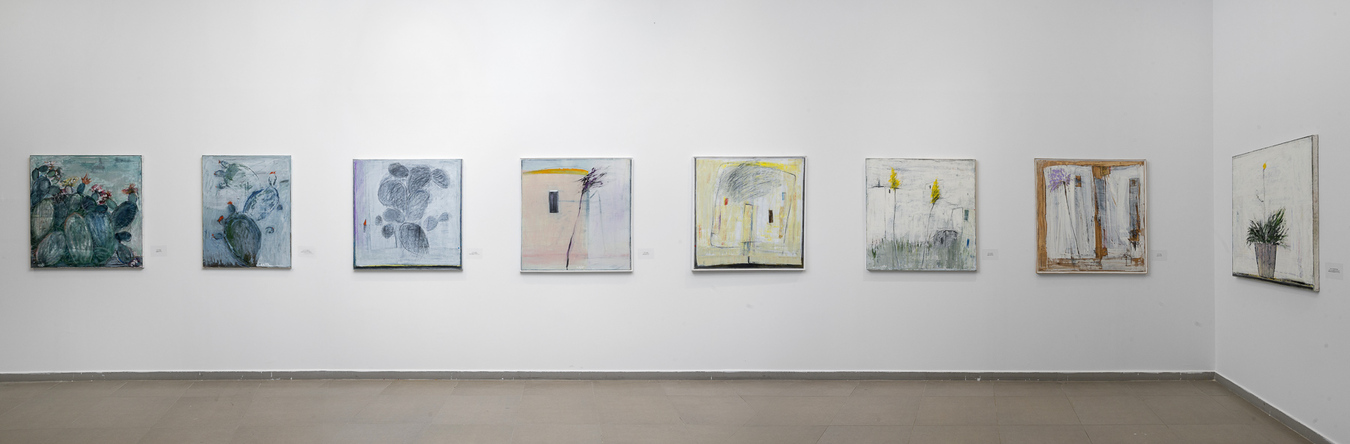
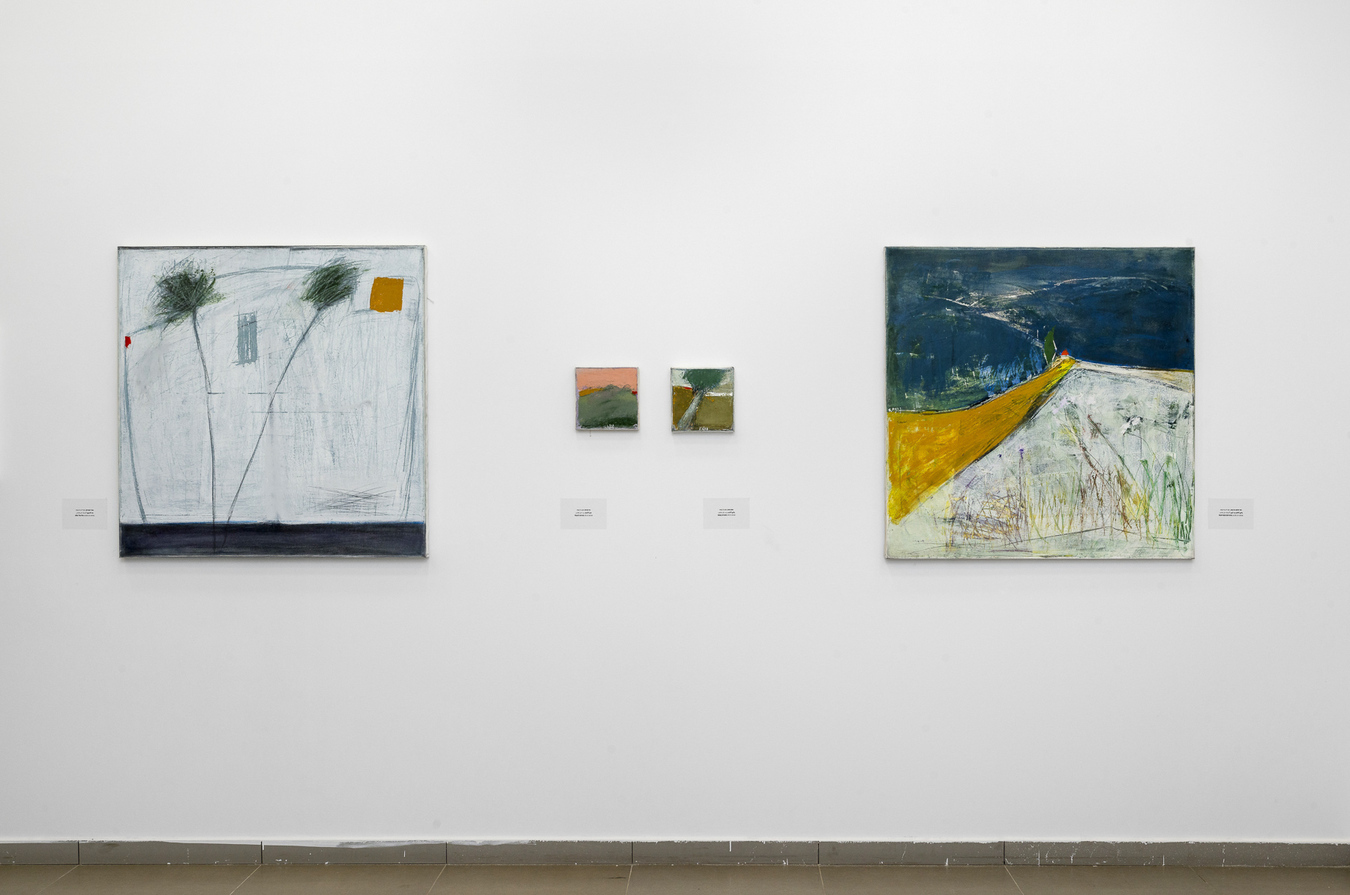
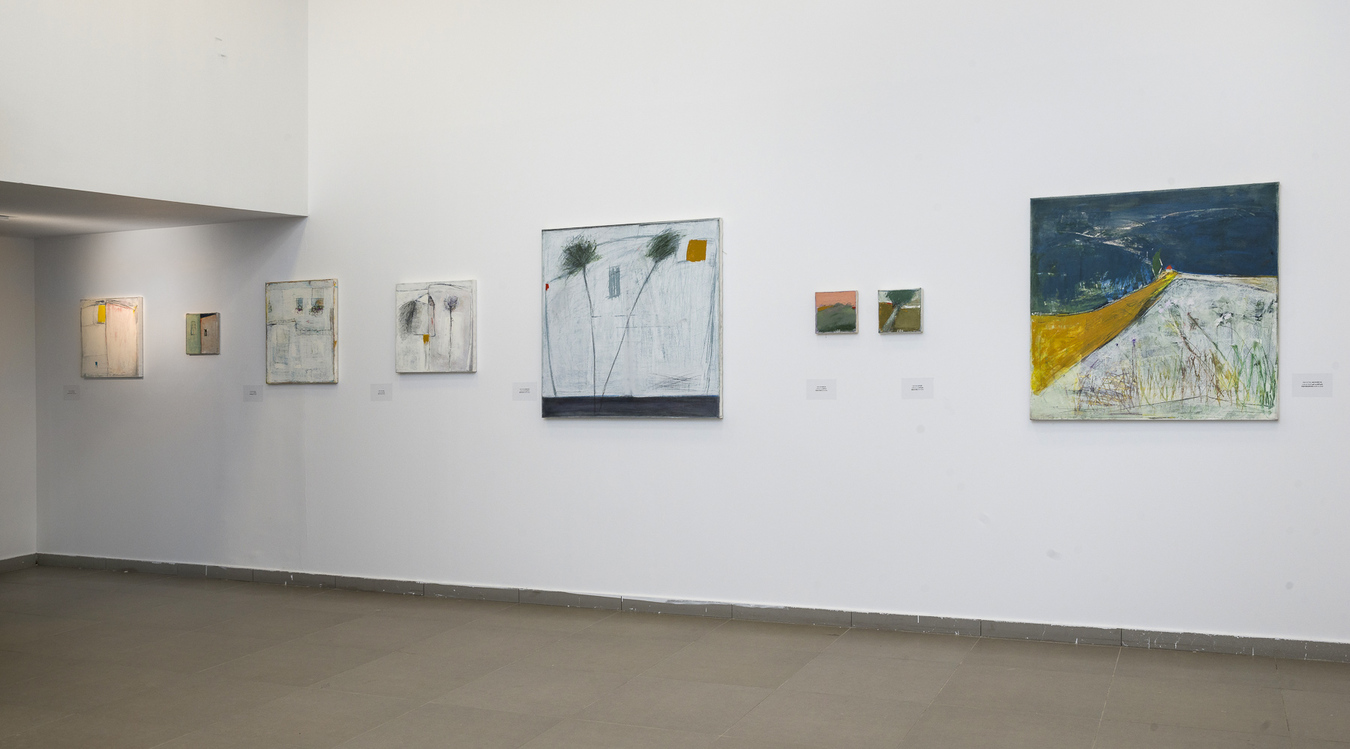
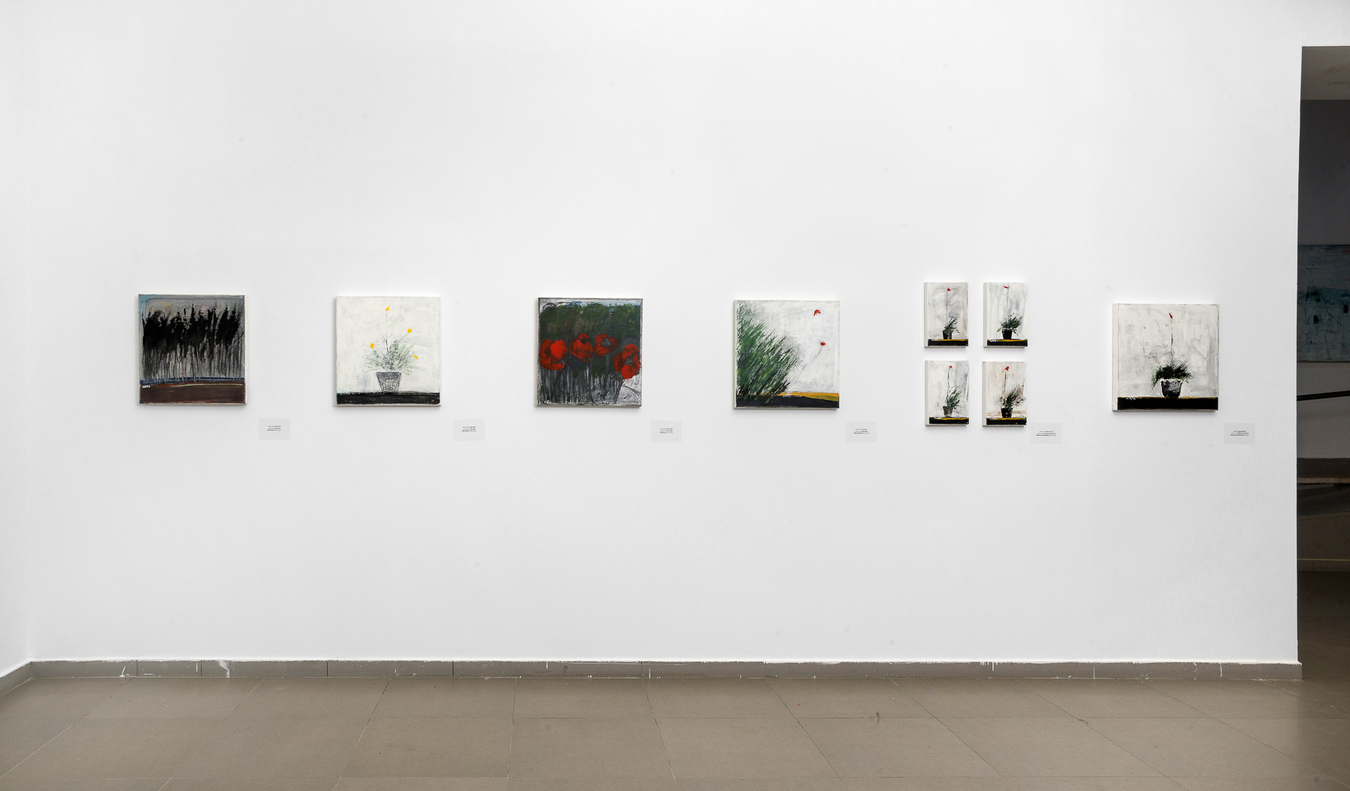
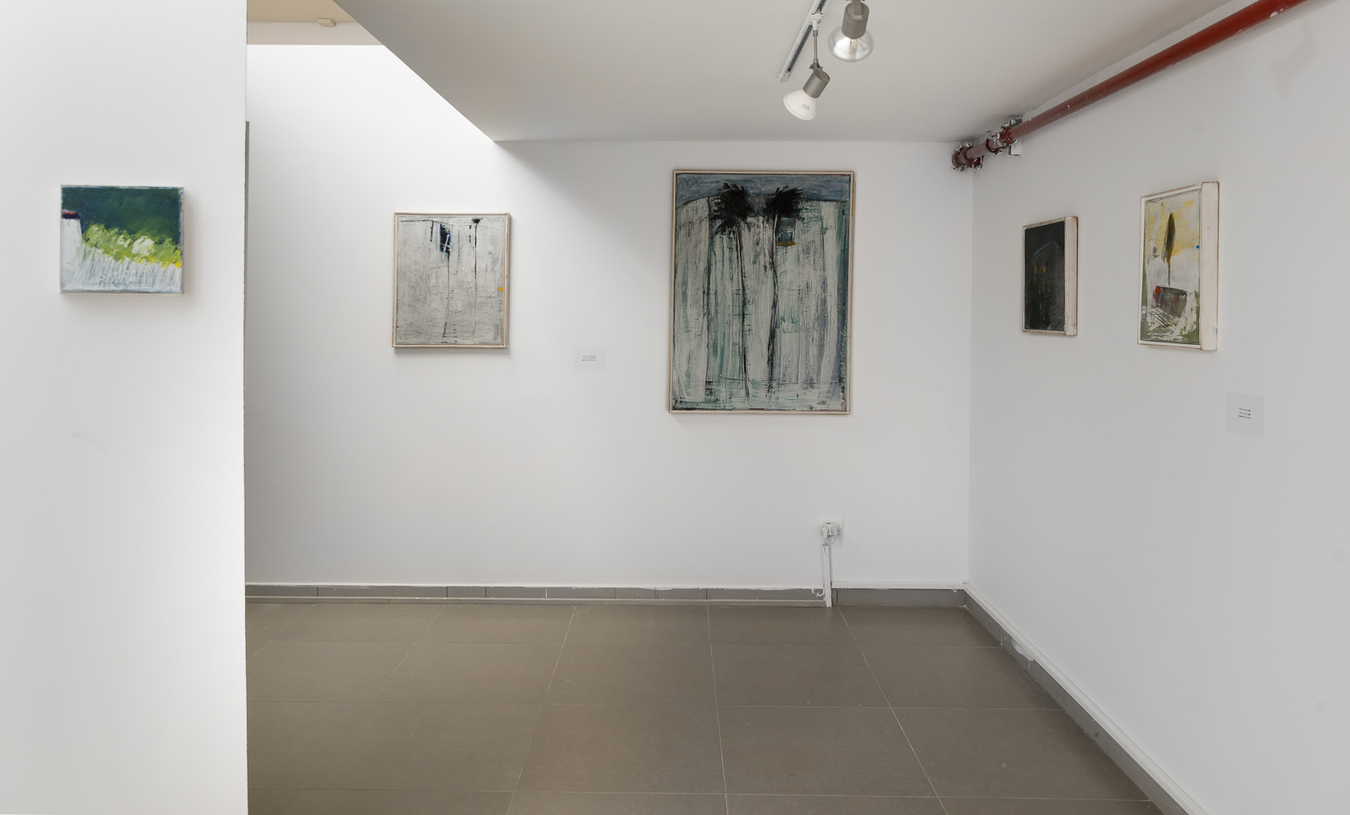
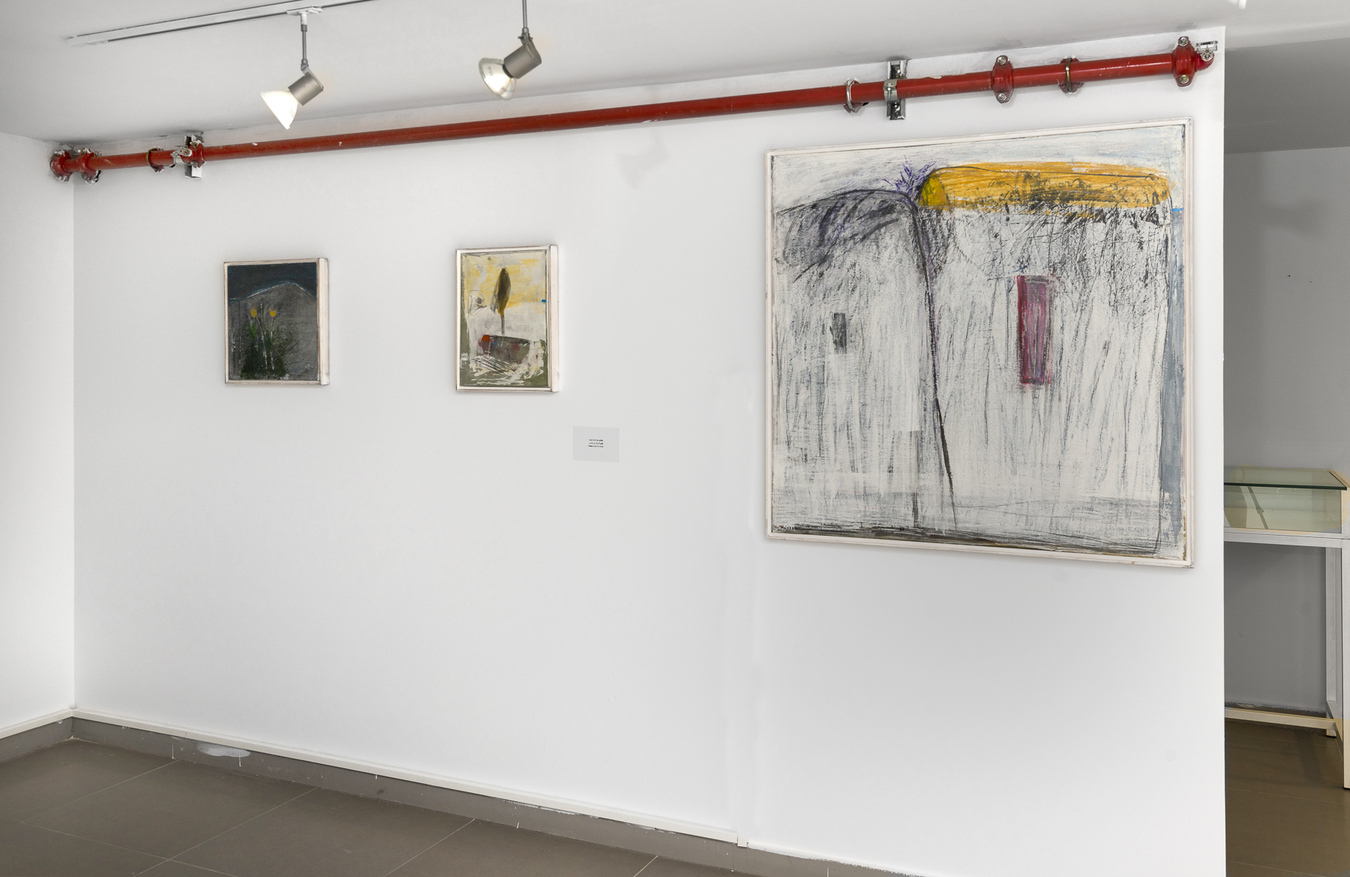
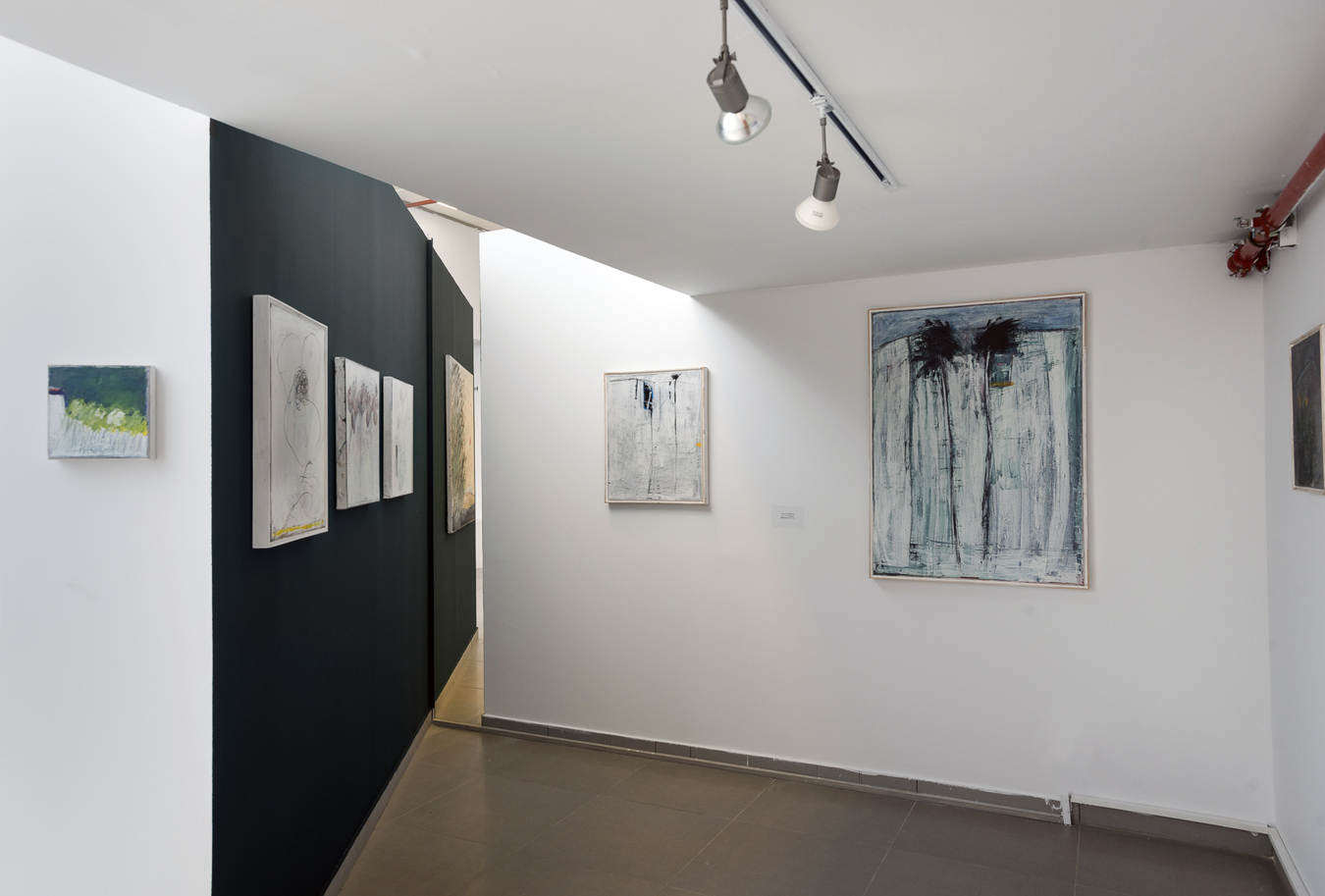
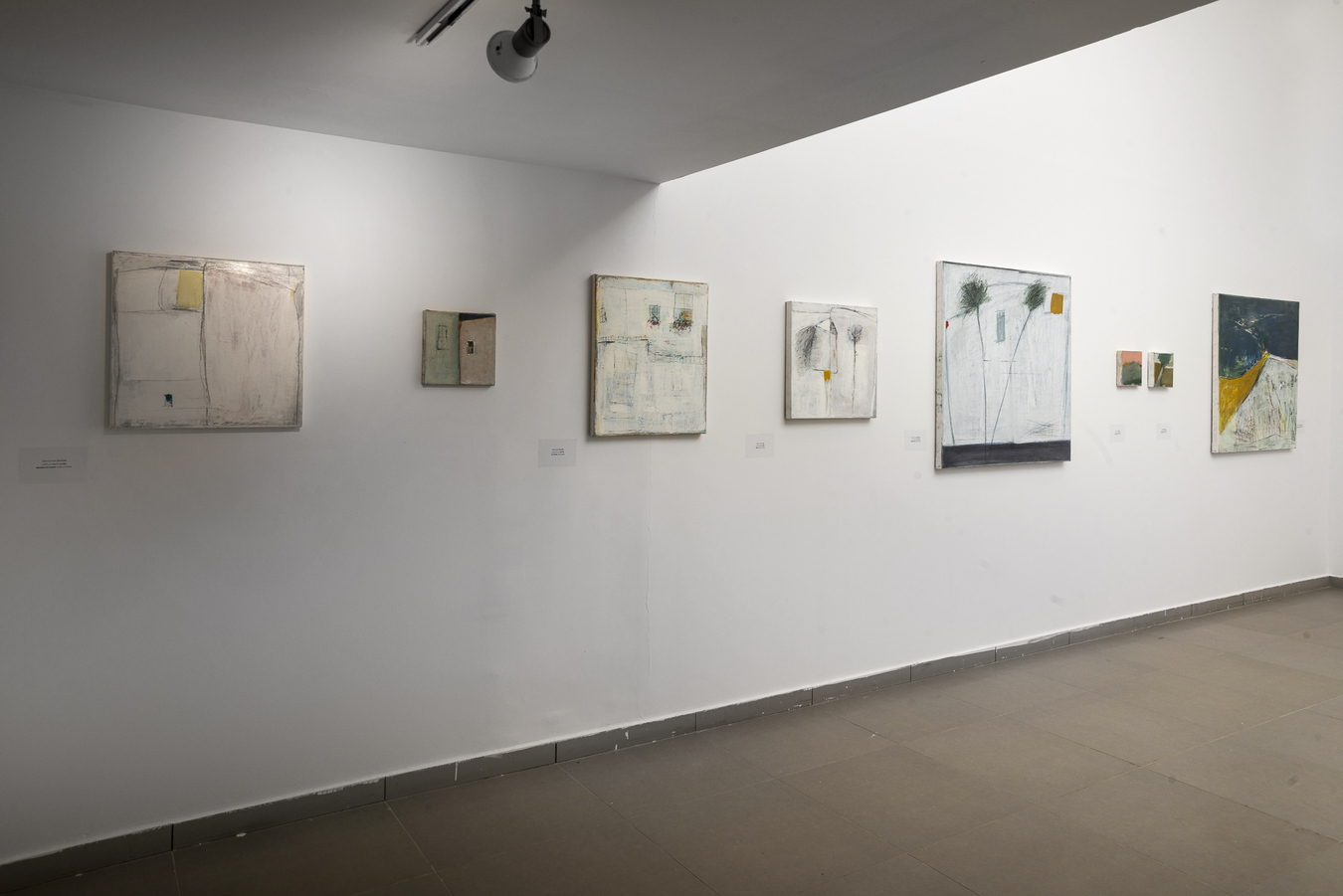
In the exhibition displayed here, at the Umm el-Fahem Art Gallery, you will see a collection that defines the works of Salah Alkara over the years. The objects depicted do not exist in real life, they exist only in the private spaces of his memory. Childhood memories and memories of a lifetime on Mount Carmel. This is why I chose to call the exhibition “A Nonverbal Memorial Book”.
While preparing the exhibition, I sought to identify the elements that make Alkara’s work unique. I explored whether the paintings demonstrated an Eastern-Arabic ornamental quality, whether they contained a distinctive colour scale. I was unsuccessful in identifying a defining feature of Salah Alkara’s paintings that would not define any other artist. What makes them special is the collection of objects, as noted above.
Memory can be misleading. It builds up slowly over the years into something that no longer owes any meaningful debt to the original reality experienced by its holder. Time can embellish and glamorise the memory, or turn it into a nightmare that even its holder can no longer make sense of. It can even be erased entirely, as if it never existed. Salah Alkara preserves his memories through his paintings.
When the painting presents us with a landscape, that landscape does not exist and the artist will never be able to point us to its exact location. The recalled location is one link in a lifelong chain of time, experiences, climate and the willingness of the artist to open the locked treasure chest of his memories before us, the viewers.
Salah Alkara distinguishes between what our eyes see and how we speak about it. When he draws the landscape from Mount Carmel, or shows us a wall with a plant pot, he upends absolute truths and exhibits the concept of the landscape and the plant pot, leaving the viewer no alternative but to enter the artist’s dreams and to read the canvas of his painting as a story and not as an image. Aligning our individual imagination with the imagination and memories of the artist.
Curator: Meir Ahronson